
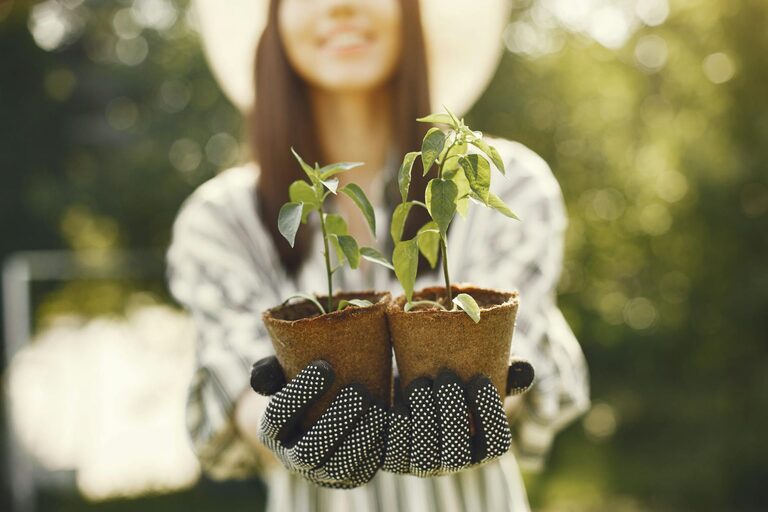
Creating a sustainable and eco-friendly home garden is a wonderful way to contribute positively to the environment while enjoying fresh produce and beautiful greenery. Whether you have a spacious backyard or just a small balcony, adopting eco-friendly gardening practices can help save resources, support biodiversity, and create a healthier outdoor space.
Why Choose Sustainable Gardening?
Sustainable gardening focuses on minimising waste, conserving water, improving soil health, and encouraging wildlife. By shifting away from synthetic chemicals and wasteful practices, your garden becomes a haven for bees, birds, and beneficial insects. Plus, it helps reduce your carbon footprint and supports local ecosystems.
—
Planning Your Eco-Friendly Garden
Before you start digging, it’s important to plan carefully:
1. Assess Your Space and Climate
Consider how much sunlight your garden receives, the type of soil you have, and your local climate. This helps you select plants that will naturally thrive without excessive watering or chemical help.
2. Choose Native and Drought-Resistant Plants
Native plants are adapted to your region’s soil and climate, making them easier to maintain. Drought-resistant species require less water, which conserves this precious resource.
3. Design for Wildlife
Incorporate a variety of plants to provide habitat and food for pollinators and birds. Include flowering plants, shrubs, and small trees to create layers of shelter and nourishment.
—
Soil Health and Composting
Healthy soil is the foundation of a sustainable garden:
1. Test and Amend Your Soil
Conduct a soil test to check nutrient levels and pH. Add natural amendments like compost, well-rotted manure, or leaf mould to improve soil structure and fertility.
2. Start Composting
Instead of sending garden waste and kitchen scraps to landfill, turn them into compost. A compost bin or heap recycles organic matter, reducing waste and providing rich, free fertiliser for your plants.
3. Mulch to Retain Moisture
Cover soil with organic mulch such as bark chips, straw, or shredded leaves. Mulch reduces evaporation, suppresses weeds, and gradually breaks down to enrich the soil.
—
Water Conservation Techniques
Water is a key resource to manage carefully in any garden:
1. Collect Rainwater
Install a rainwater butt to capture rain from your roof. Using rainwater for irrigation is cheaper and better for plants since it is free of chemicals commonly found in tap water.
2. Water Wisely
Water early in the morning or late in the evening to minimise evaporation. Use drip irrigation or soaker hoses for targeted watering, which conserves water.
3. Plant Grouping
Group plants with similar water needs together. This reduces waste by allowing you to water efficiently according to specific requirements.
—
Natural Pest and Weed Control
Avoid chemical pesticides and herbicides by choosing natural alternatives:
1. Encourage Beneficial Insects
Ladybirds, lacewings, and predatory beetles control aphids and other pests. Plant insectary flowers like marigolds and fennel to attract these helpful insects.
2. Use Companion Planting
Certain plants, when grown together, can repel pests or improve growth. For example, planting basil near tomatoes can reduce the risk of pests.
3. Manual Weed Removal
Regularly remove weeds by hand to prevent them from competing with your plants for nutrients and water.
—
Sustainable Garden Materials and Practices
The materials and tools you use also impact sustainability:
1. Choose Recycled or Natural Materials
Opt for garden furniture, pots, and fencing made from recycled or sustainably sourced wood and fabrics.
2. Reduce, Reuse, Recycle
Repurpose old containers for planting, use fallen branches to create garden borders, and recycle as much waste as possible.
3. Use Energy-Efficient Tools
If you use power tools, select electric or battery-powered options rather than petrol-powered to reduce pollution.
—
Benefits Beyond the Garden
An eco-friendly garden brings benefits beyond its boundaries:
– Improves air quality through increased greenery
– Supports local wildlife and biodiversity
– Provides fresh, chemical-free produce
– Enhances mental wellbeing through nature connection
By following these tips, your garden can be a small but meaningful step towards a greener lifestyle.
—
Final Thoughts
Creating a sustainable and eco-friendly garden is not about perfection but about making thoughtful choices that benefit both nature and your home. Start small, keep learning, and enjoy the journey of nurturing your garden in harmony with the environment. Your outdoor space will flourish, and you’ll feel proud knowing you’re helping to protect the planet.
About the Author