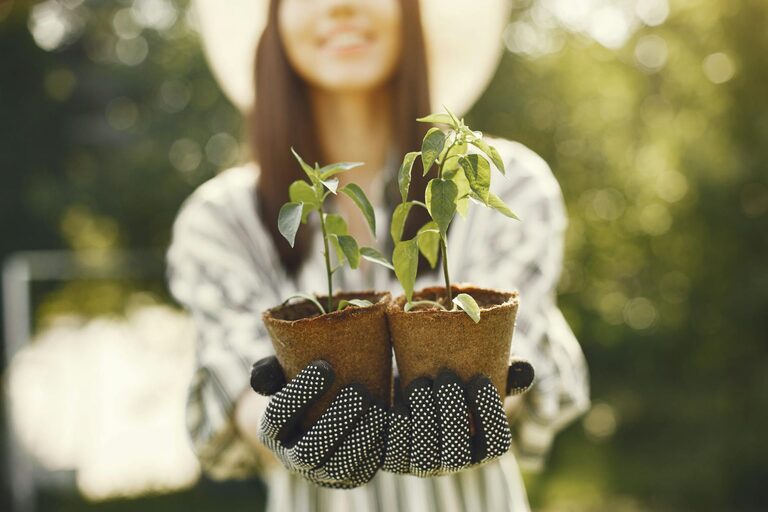
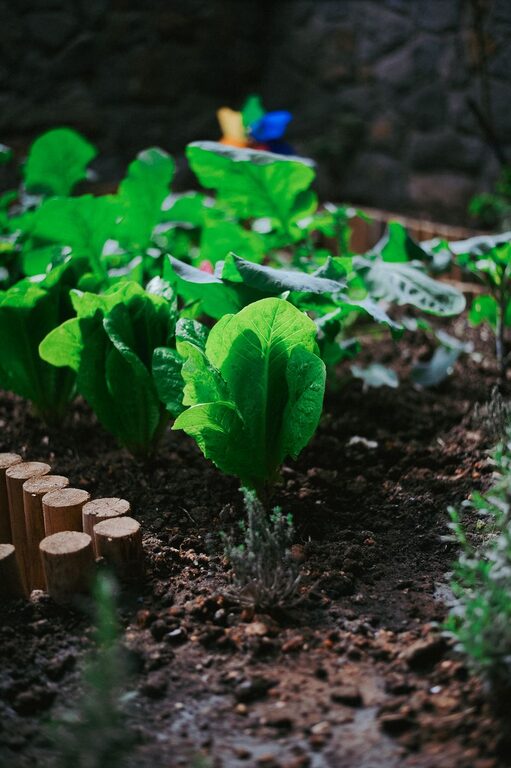
Creating a sustainable home garden is a rewarding way to connect with nature, reduce your environmental footprint, and enjoy fresh, home-grown produce or beautiful plants throughout the year. Whether you have a small balcony space, a backyard, or a community garden plot, there are simple steps you can take to ensure your garden thrives sustainably across all seasons.
In this post, we’ll explore practical tips that will help you establish and maintain a garden that supports biodiversity, conserves resources, and flourishes year round.
Understanding Sustainable Gardening
Sustainable gardening focuses on practices that protect the environment while meeting your gardening goals. It involves conserving water, improving soil health, reducing waste, and supporting local wildlife. This approach not only benefits the planet but also often results in healthier plants and better yields.
Plan Your Garden Thoughtfully
Choose the Right Plants
Selecting plants that are native or well-adapted to your local climate is key. Native plants usually require less water, fertiliser, and pest control. Consider a mix of:
– Perennials that return year after year,
– Annuals for season-specific gardening,
– Edible plants if you want to grow vegetables or herbs.
Design for Year-Round Interest
Plan your garden so that something is always flourishing — spring bulbs, summer flowers, autumn berries, or winter evergreens. This benefits both you and local wildlife, offering continuous food and shelter.
Improve Your Soil Naturally
Healthy soil is the foundation of a sustainable garden.
– Compost regularly: Use kitchen scraps and garden waste to create nutrient-rich compost.
– Mulch: Apply organic mulch around plants to conserve moisture, suppress weeds, and improve soil structure.
– Avoid chemicals: Steer clear of synthetic fertilisers and pesticides; opt for natural alternatives or encourage beneficial insects to manage pests.
Conserve Water Wisely
Water conservation is essential, especially during dry periods.
– Water in the morning or evening: This reduces evaporation.
– Use rainwater: Install rain barrels or water butts to catch rainfall for garden use.
– Drip irrigation or soaker hoses: These targeted watering systems deliver moisture directly to the roots, minimising waste.
– Group plants with similar water needs: This helps you water efficiently.
Encourage Biodiversity
A thriving sustainable garden attracts a variety of creatures that can help maintain balance.
– Plant a diversity of flowers to attract pollinators like bees and butterflies.
– Include shrubs and trees that offer shelter and food to birds and insects.
– Avoid using pesticides that harm beneficial organisms.
Seasonal Care Tips
Spring
– Prepare soil by adding compost.
– Start planting cool-season crops and hardy flowers.
– Prune shrubs and trees to encourage healthy growth.
Summer
– Mulch heavily to retain moisture.
– Water early or late in the day.
– Harvest fruits and vegetables regularly.
Autumn
– Plant bulbs for spring blooms.
– Collect fallen leaves to use as mulch or compost material.
– Clean up spent plants and add organic matter to beds.
Winter
– Protect tender plants with cloches or fleece.
– Plan next year’s garden based on this season’s successes.
– Keep watering indoor or greenhouse plants as needed.
Reduce Waste in Your Garden
Minimise waste by:
– Reusing pots and containers.
– Saving seeds from plants for next season.
– Using natural materials for garden supports and decorations.
Conclusion
A sustainable home garden nurtures the environment and your wellbeing, providing beauty, food, and a vital habitat throughout the year. By planning carefully, choosing the right plants, conserving resources, and encouraging biodiversity, you can create a vibrant garden that thrives sustainably in every season.
Happy gardening!
About the Author