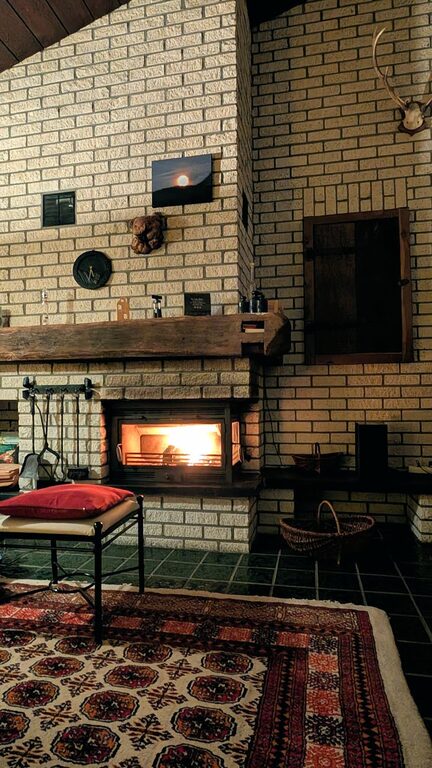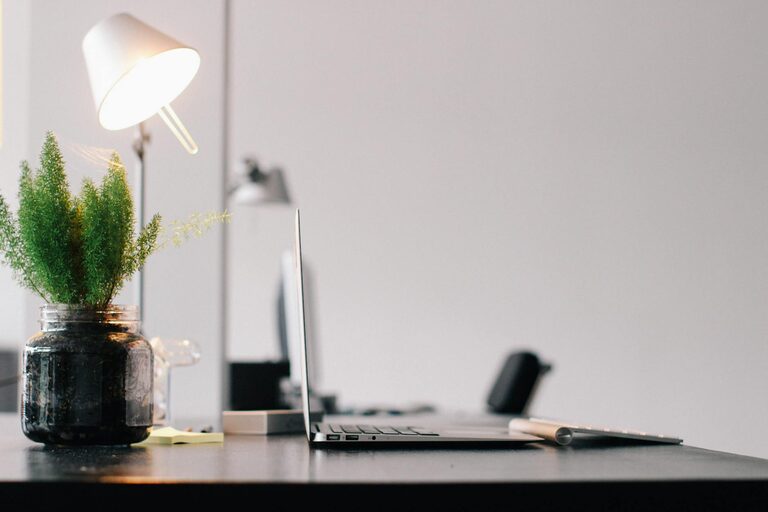
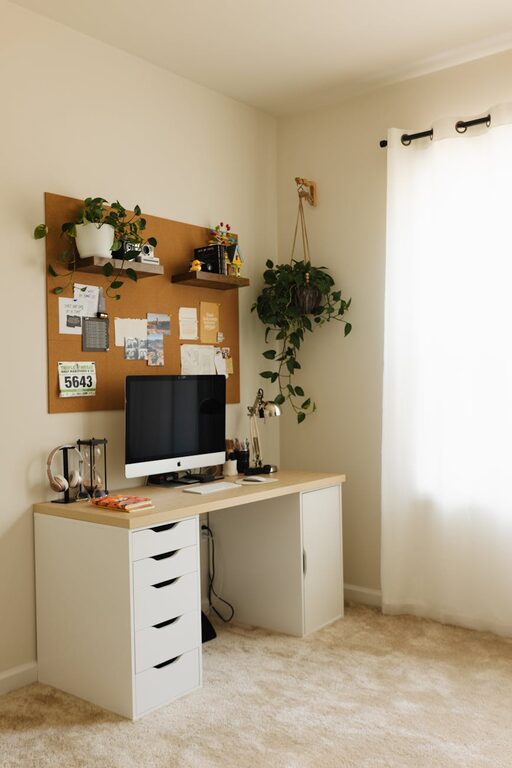
Working from home has become a norm for many, making it essential to create a home office that is both cosy and productive. A well-designed workspace can enhance focus, reduce stress, and boost overall job satisfaction. Here are some practical tips to help you build a home office environment that supports your work and well-being.
Choose the Right Location
Selecting the right spot for your home office is the first step to setting up a productive area.
– Quiet and Private: Opt for a space away from high-traffic areas of your home to minimise distractions.
– Natural Light: Position your desk near a window to benefit from natural daylight, which can improve mood and alertness.
– Space and Comfort: Ensure there is enough room for your equipment and some personal touches without feeling cramped.
Invest in Comfortable and Ergonomic Furniture
Comfort is key to avoid physical strain and maintain focus during long working hours.
– Ergonomic Chair: A chair that supports your back and promotes good posture is essential. Look for adjustable features.
– Height-Appropriate Desk: Your desk should allow your forearms to rest comfortably parallel to the floor while typing.
– Footrest and Accessories: Consider adding a footrest or wrist support if necessary to reduce fatigue.
Optimise Lighting
Good lighting can reduce eye strain and help maintain energy levels.
– Layered Lighting: Combine natural light with ambient and task lighting. A desk lamp with adjustable brightness is useful for focused work.
– Avoid Glare: Position monitors to avoid glare from windows or overhead lights, which can cause discomfort.
Keep Your Workspace Organised
A tidy environment helps clear your mind and improve efficiency.
– Use Storage Solutions: Shelves, filing cabinets, or boxes can keep documents and supplies orderly.
– Declutter Regularly: Set aside time each week to clean and organise your workstation.
– Cable Management: Use clips or sleeves to arrange cables neatly, preventing tangles and a messy appearance.
Personalise Your Space
Adding personal touches can make your home office inviting and motivating.
– Plants: Indoor plants improve air quality and add a calming green element.
– Artwork and Decorations: Display photos, art, or inspirational quotes that uplift your mood.
– Comfort Items: A cosy throw blanket or cushions can make your space feel warmer and more welcoming.
Minimise Distractions
Maintaining focus is easier in an environment that encourages concentration.
– Use Noise Control: If noise is an issue, try noise-cancelling headphones or white noise machines.
– Set Boundaries: Inform family members or housemates of your work hours to reduce interruptions.
– Organise Digital Space: Keep your computer desktop clear and use apps to manage notifications effectively.
Incorporate Break Areas
Taking regular breaks improves productivity and prevents burnout.
– Create a Small Relaxation Zone: If space allows, have a comfortable chair or corner for short rests.
– Stretching Space: Allocate room for simple exercises or stretches to keep your body active.
Manage Temperature and Ventilation
Comfortable temperature and fresh air contribute to a pleasant working environment.
– Maintain Consistent Temperature: Use fans, heaters, or air conditioning as needed to stay comfortable.
– Ensure Good Airflow: Open windows periodically to circulate fresh air.
Utilise Technology Wisely
Having the right tools can streamline your work and reduce frustration.
– Reliable Internet Connection: A stable and fast internet is critical for most home office tasks.
– Efficient Equipment: Invest in quality monitors, keyboards, and other peripherals that suit your work style.
– Organisation Apps: Use calendars, task managers, and note-taking apps to keep on top of your workload.
Final Thoughts
Creating a cosy and productive home office is about balancing comfort, organisation, and functionality. By thoughtfully choosing your space and furnishings, managing lighting and temperature, and personalising your surroundings, you can foster an environment that keeps you motivated and efficient throughout your working day. Remember, a well-designed home office isn’t a luxury, but a valuable investment in your well-being and professional success.
About the Author